
Unlock More Value from Your Credit Card — Without Paying Annual Fees
Choose a smarter financial tool
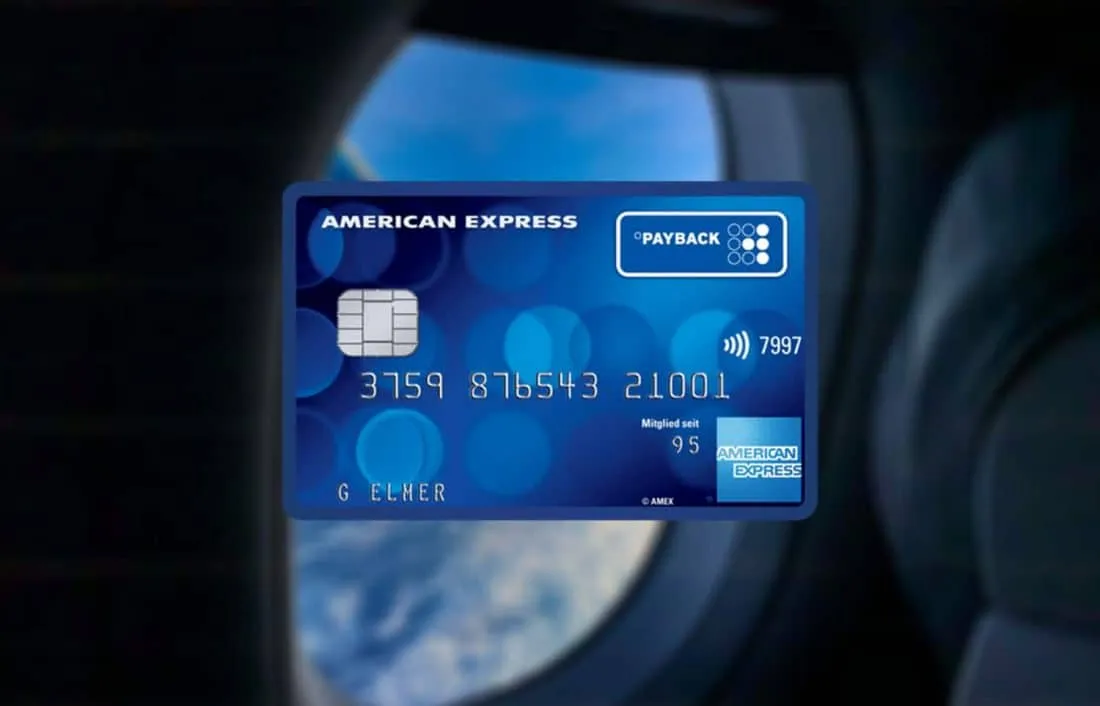
How to Get a Credit Card in Germany with No Annual Fee, Travel Advantages, or Cashback
Building or refining your financial structure in Germany requires deliberate choices. While Girocards and direct debit systems dominate everyday transactions, credit cards remain strategically important in situations where flexibility, security, and international compatibility matter.
From booking flights and reserving hotels to handling international online purchases or securing rental deposits, the right credit card reduces friction and unnecessary expenses.
Yet, credit cards in Germany are not uniform products. Their cost structures, fee models, and reward mechanisms differ significantly.
German consumers typically prioritize:
- No annual fee
- Transparent contractual terms
- Predictable interest models
- No foreign transaction fees
- Practical rewards such as cashback
- Reliable digital banking integration
The objective is not simply approval. The objective is alignment. A credit card should reflect your actual spending behavior, not marketing promises.
This guide explains how credit cards function in Germany, which features generate measurable value, and how to assess your options with financial discipline.
The Role of Credit Cards in the German Payment Landscape
Germany traditionally favors debit-based payment systems. However, credit cards remain essential in specific environments:
- Hotel and airline bookings
- Car rentals
- International e-commerce
- Subscription platforms
- Temporary liquidity management
- Security deposits
In addition, German financial institutions assess creditworthiness using centralized data systems that track repayment behavior and financial reliability.
Responsible credit card usage — consistent repayment and controlled utilization — may support long-term financial credibility. Conversely, missed payments or excessive balances can negatively affect your profile.
This dual effect makes informed decision-making critical before submitting any application.
Can You Get a Credit Card in Germany Without Paying an Annual Fee?
Yes. Many providers offer credit cards with no annual maintenance charge.
A no-annual-fee structure provides structural advantages:
- No fixed yearly cost
- Flexibility to keep the card long term
- Reduced pressure to “justify” the card through spending
- Lower baseline financial commitment
However, “no annual fee” does not equate to “no cost.”
Potential variable costs may include:
- Interest charges if balances are not fully repaid
- ATM withdrawal fees
- Late payment penalties
- Installment plan charges
- Optional insurance add-ons
The absence of a yearly fee reduces fixed costs — but total cost depends on usage behavior.
Before applying, review the full pricing schedule. Small percentages can translate into meaningful annual expenses.
Understanding Cashback in the German Market
Cashback programs in Germany are typically conservative compared to markets such as the United States. Nonetheless, they are becoming more common.
Cashback means receiving a percentage of eligible spending back, usually through:
- Direct statement credit
- Account balance offset
- Investment account contribution
- Points convertible to monetary value
Standard cashback rates often range between 0.5% and 1%, with temporary promotional categories occasionally offering higher returns.
Example Calculation
Monthly spending: €1,000
Cashback rate: 1%
Monthly return: €10
Annual return: €120
While this does not transform your finances, it can offset subscription costs, digital services, or minor recurring expenses.
The critical factor is discipline. Cashback only adds value if you were already planning those purchases. Overspending to chase rewards eliminates the benefit.
The Hidden Cost: Foreign Transaction Fees
One of the most underestimated costs in Germany is the foreign transaction fee.
Many traditional credit cards charge between 1.5% and 2% on transactions outside the euro area.
This applies to:
- Travel outside the eurozone
- Online purchases in foreign currencies
- International subscription services
- Cross-border digital platforms
Practical Scenario
Annual non-euro spending: €5,000
Foreign transaction fee: 2%
Total additional cost: €100
Over time, this exceeds the value of modest cashback programs.
For individuals who travel regularly or purchase from international websites, eliminating foreign transaction fees may produce more measurable savings than reward programs.
When comparing cards, this feature often has higher strategic value than headline cashback percentages.
Travel-Focused Credit Card Benefits
Some German credit cards integrate structured travel benefits, which may include:
- No foreign currency surcharge
- Travel health insurance
- Trip cancellation coverage
- Rental car insurance
- Purchase protection
- Extended warranty protection
However, these benefits are contractual and conditional.
You should verify:
- Activation requirements
- Coverage limits
- Deductibles
- Geographic restrictions
- Payment method requirements (e.g., full trip paid with the card)
Travel insurance embedded in a credit card can supplement existing coverage but should not replace comprehensive policies without review.
Evaluate cost-benefit realistically. If you travel once per year within the eurozone, extensive travel insurance features may provide limited incremental value.
Digital Control and Transparency
German consumers increasingly demand digital precision in financial management.
Credit cards connected to modern digital platforms may provide:
- Real-time transaction notifications
- Instant spending categorization
- Temporary card freeze functionality
- Budget analytics
- Integration with Apple Pay and Google Pay
- Clear fee visualization
Digital infrastructure improves oversight. Immediate transaction alerts reduce fraud exposure and improve behavioral awareness.
App usability is not cosmetic — it directly influences financial discipline.
When comparing providers, assess:
- Interface clarity
- Speed of transaction updates
- Ease of accessing statements
- Transparency of fee breakdown
Strong digital integration reduces cognitive friction and improves control.
Approval Criteria: What Influences the Decision
Credit approval in Germany depends on individual financial evaluation. While exact criteria vary, several structural factors are consistent:
1. Stable Income
Proof of consistent income supports repayment capacity assessment.
2. Positive Credit Record
Reliable repayment history across contracts strengthens credibility.
3. Limited Recent Applications
Multiple credit inquiries within a short timeframe may negatively influence evaluation.
4. Accurate Information
Discrepancies or incomplete details can delay or jeopardize approval.
No legitimate issuer guarantees approval before assessment. Be cautious of exaggerated claims.
Submitting well-prepared applications improves probability and reduces unnecessary credit checks.
Strategic Use: Turning a Credit Card into a Financial Tool
Approval alone does not create financial value. Usage determines outcome.
Pay on Time — Every Time
Payment history is a primary indicator of financial reliability.
Pay the Full Balance When Possible
Revolving balances can generate high interest costs. Interest often outweighs cashback returns.
Maintain Moderate Utilization
Regularly using a high percentage of your available limit may signal financial strain.
Monitor Activity
Use mobile banking tools to detect anomalies early.
Avoid Impulse Financing
Installment features can be convenient but frequently carry added cost.
A credit card should improve flexibility — not finance lifestyle inflation.
Frequently Asked Questions
Are no-annual-fee credit cards completely free?
They eliminate fixed yearly costs, but interest and transactional fees may apply depending on usage.
Is cashback significant in Germany?
Returns are generally moderate but can offset small recurring expenses when managed correctly.
Does responsible credit card usage support financial credibility?
Consistent, timely repayment may contribute positively over time.
Is a travel credit card useful for occasional travelers?
It depends on foreign currency spending and whether the card also eliminates annual fees.
Decision Framework: How to Choose Rationally
When evaluating a credit card in Germany, prioritize:
- Elimination of fixed annual fees
- Removal of foreign transaction costs if relevant
- Transparent interest structure
- Clear digital account management
- Reward systems aligned with actual spending
Avoid selecting a card based solely on promotional language.
Instead, calculate:
- Expected annual foreign spending
- Monthly average card usage
- Potential cashback accumulation
- Interest exposure risk
A disciplined comparison reveals the net financial impact.
Conclusion
Selecting a credit card in Germany is a structural financial decision, not a branding exercise.
The most effective card is one that:
- Avoids unnecessary fixed costs
- Eliminates avoidable transaction fees
- Provides modest, realistic rewards
- Integrates with reliable digital tools
- Supports responsible usage habits
Whether your objective is reducing annual expenses, optimizing international purchases, earning moderate cashback, or centralizing financial oversight, clarity and alignment are decisive.
Before applying, review official terms carefully. Examine the pricing sheet. Understand repayment conditions. Evaluate how the card integrates into your actual financial behavior.
When chosen strategically and managed responsibly, a credit card becomes a precise financial instrument — enhancing flexibility while controlling costs.
Popular Now