Papa’s Freezeria To Go!: Run Your Own Ice Cream Shop with Crazy Orders
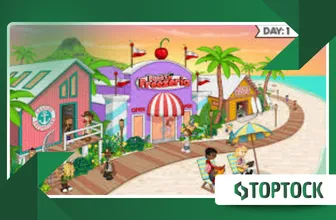
Papa’s Freezeria To Go! is much more than a nostalgic trip back to the Flash player era; it is a masterclass in how a chaotic browser game can be surgically redesigned for the palm of your hand.
Anúncios
While many mobile ports feel like clunky afterthoughts, Flipline Studios managed to translate the frantic energy of a tropical sundae shop into a vertical experience that feels native to the smartphone.
Managing this virtual shop isn’t just about clicking buttons in a sequence. It’s a high-stakes balancing act of muscle memory and cognitive load.
You aren’t just making ice cream; you are managing the expectations of an increasingly impatient island clientele while navigating a UI that demands surgical precision.
Summary
- The Vertical Shift: Why the “To Go” format actually improves focus.
- Station Mastery: Deconstructing the four pillars of a perfect sundae.
- Economic Strategy: Beyond aesthetics—investing in functional shop upgrades.
- The 2026 Landscape: Staying sharp with seasonal shifts and daily specials.
What is Papa’s Freezeria To Go!?
At its core, this is a time-management simulation that tasks you with running a frozen dessert empire on Calypso Island.
Anúncios
Taking over for the perpetually absent Papa Louie, you step into a world where the customer is not only always right but also remarkably specific about their whipped cream placement.
The “To Go” version specifically solves the “fat finger” problem of mobile gaming. By reimagining the shop in a vertical orientation, the developers created a layout where your thumbs do the heavy lifting without obstructing the view of the ingredients.
It’s a subtle design choice that separates this title from its more cluttered competitors.
You aren’t just pouring milkshakes; you are executing a rhythmic workflow. Each order is a puzzle of timing and spatial awareness, rewarding those who can maintain a “flow state” during the inevitable rush hour.
How Does the Gameplay Loop Work?
The game lives and dies by its four distinct stations. If you treat them as separate tasks, you’ll fail. The secret is seeing them as a single, continuous assembly line where every second saved in one area is a second gained for another.
It begins at the Order Station. This is your blueprint. Misreading a ticket here is a fatal error that ripples through the entire process.
From there, you move to the Build Station, where the tactile feedback of pouring ice cream requires a surprisingly delicate touch to hit that “Perfect” mark.
The Mix Station is the true bottleneck. This is where most players lose their cool. Different blenders work at different speeds, and as the shop gets busier, the sound of a blender finishing—or worse, over-mixing—becomes a constant source of strategic anxiety.
Finally, the Top Station tests your visual coordination. It’s easy to rush through the syrup and cherries, but the game’s “Closer” customers have an almost supernatural ability to spot a misaligned topping.
Precision here is the difference between a mediocre tip and the funds needed for your next big upgrade.
Why is Customization Essential for Success?
There’s a common misconception that shop decor is just digital fluff. In reality, your lobby is a strategic buffer.
Every poster and piece of furniture acts as a passive “patience modifier,” buying you those precious extra seconds when three different customers are staring you down simultaneously.
As the seasons shift on Calypso Island, the menu expands. This isn’t just a visual skin; it introduces new ingredient physics and layering complexities.
A winter sundae requires a different mental map than a summer classic, forcing you to break your existing habits and adapt.
++ Farming Simulator 20: Plant, Harvest, and Sell Like a Real Farmer
Using your earned tips to buy shop upgrades is where the real simulation depth lies. The “Doorbell” is a mandatory first purchase—it’s the only way to maintain situational awareness when you’re deep in the Top Station menu. Without it, you’re flying blind.
What are the Best Strategies for High Scores?
To consistently hit those elusive 100% scores, you have to stop playing reactively. The best players are always two steps ahead.
For example, knowing the exact “visual cue” of a blender’s progress allows you to start another order without even checking the meter.
Prioritize the “Auto-Ice” upgrade immediately. Human error in the initial pour is the most common cause of a ruined score, and automating this step removes a significant variable from the equation.
It allows you to focus your mental energy on the more complex topping stages.
Multitasking is often misunderstood as “doing things fast.” In this shop, it means “doing things in the right order.”
Never stand still. If an ice cream is blending, you should be taking an order or prepping a lid. Any moment your hands aren’t moving is lost revenue.
For those interested in the broader evolution of these mechanics, checking the official Flipline Studios blog provides a fascinating look at how character traits and ingredient physics have been refined over the last decade to keep the challenge fair but firm.
Comparing Game Versions
Choosing the right version of the Freezeria franchise depends entirely on your hardware and how much “screen real estate” you need to feel in control.
Read more: Virtual Families 3: Raise a Digital Family with Generations of Growth
| Feature | To Go! Version | HD Version | Deluxe (Steam) |
| Primary Device | Smartphones | Tablets/iPads | PC / Mac |
| Orientation | Vertical / Portrait | Horizontal / Landscape | Full Screen |
| Controls | Thumb-optimized | Multi-touch | Mouse & Keyboard |
| Specials | Included | Included | Expanded 2026 Roster |
| Graphics | Optimized for small screens | High Definition | 4K Vector Support |
Which Upgrades Should You Buy First?
The upgrade shop is a trap for the uninitiated. It’s tempting to buy the shiny new blender colors, but functional tools must always come first.
The “Alarm Clocks” for the Mix Station are non-negotiable early-game investments. They provide an auditory safety net that prevents the catastrophic “over-mix” penalty.
Boosters are your next priority. Anything that speeds up the physical movement of the machines—not the player—is a direct multiplier of your hourly earnings.
The faster a sundae blends, the faster that customer leaves, and the faster a new tipping customer takes their place.
Leave the seasonal decorations for the mid-game. While they do help with patience, a fast shop is always better than a pretty one.
++ Puzzle & Dragons: Match Orbs to Summon Monsters and Beat Dungeons
Once your workflow is automated and your alarms are set, then you can afford to worry about the aesthetic vibe of your island freezeria.
When Do the Seasons Change?
The calendar system is the game’s way of preventing player burnout. Just when you think you’ve mastered the standard menu, the “Starlight Jubilee” or “Halloween” arrives to throw a wrench in your muscle memory.
These seasonal shifts introduce “Daily Specials.” These aren’t just suggestions; they are high-reward recipes that provide massive boosts to your rank if executed perfectly.
They often require using the newest, most erratic ingredients, serving as a skill check for experienced players.
Staying ahead of the calendar means saving your tips before the season starts. There’s nothing worse than entering a holiday rush without the necessary seasonal toppings, forcing you to serve subpar sundaes and watch your hard-earned reputation dip.
Reflecting on the Island Grind
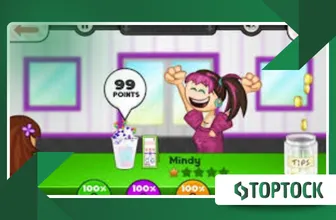
At the end of a long shift on Calypso Island, there’s a genuine sense of accomplishment in seeing a row of perfect tickets.
This game taps into a very specific human desire for order amidst chaos. It’s about taking a mess of syrups, creams, and sprinkles and turning it into a structured, profitable masterpiece.
The mobile transition hasn’t lost the soul of the original. If anything, the constraints of the smartphone screen have forced the game to become a leaner, more focused version of itself.
It’s a reminder that good game design isn’t about how many buttons you have, but how satisfying it feels to press them.
For a deeper dive into how these types of feedback loops affect player retention, Gamasutra’s industry archives offer a wealth of professional analysis on the psychological hooks used in high-end simulation games.
FAQ: Frequently Asked Questions
Is the game playable without an internet connection?
Absolutely. It’s one of the few remaining premium experiences that doesn’t tether you to a server, making it a reliable companion for long flights or areas with spotty reception.
Can I finish the game without spending extra money?
Yes. The “Tip Packs” are a shortcut, not a requirement. The game is balanced around a natural progression curve where skill and efficiency are the primary drivers of success.
Why are “Closers” so difficult to please?
Closers act as the “boss fights” of the simulation world. Their grading scale is much stricter than standard customers, requiring near-pixel-perfect placement of every ingredient to achieve a high score.
Does my character choice affect the story?
Choosing between Alberto or Penny is largely aesthetic, though the custom outfits you unlock later allow for a degree of personal expression as you climb the corporate ladder of Papa’s empire.
Is there a difference in speed between phone models?
While the game is optimized for 2026 hardware, playability is more about touch sensitivity than raw processing power. A clean screen and a steady hand are your most important assets.
++ Manage a bustling seaside sundae shop
Popular Now