
Job openings for Production Operators in Malaysia
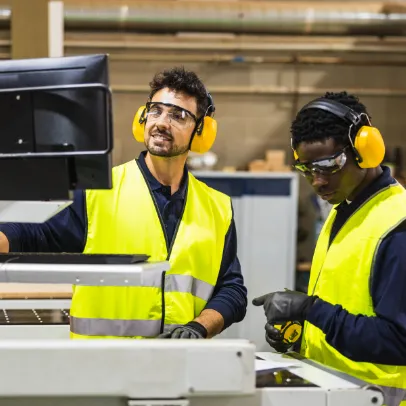
Finding stable employment without advanced qualifications is increasingly difficult in many markets, especially for candidates seeking immediate hiring opportunities.
However, in Malaysia’s industrial sector, Production Operator roles remain one of the most consistently available entry points into formal employment. These positions are widely offered across factories, manufacturing plants, and export-driven production facilities throughout the country.
In Malaysia (Malaysia), manufacturing plays a central role in the national economy. The country has positioned itself as a key production hub in Southeast Asia, supplying electronics, components, food products, and industrial goods to global markets.
As a result, Production Operator jobs are continuously in demand, with companies hiring year-round to maintain production efficiency and meet international orders.
This makes the role of Production Operator one of the most accessible employment pathways for individuals seeking quick entry into the workforce.
The Role of Production Operators in Malaysia’s Economy
Production Operators are essential to the functioning of manufacturing facilities. They are responsible for ensuring that production lines run smoothly, efficiently, and according to quality standards. Without these workers, factories cannot maintain output levels required for export contracts or domestic supply chains.
The role is typically found in industries such as:
- Electronics manufacturing
- Semiconductor assembly and testing
- Food and beverage processing
- Automotive parts production
- Plastic and packaging industries
- General assembly and light manufacturing
Each of these industries depends heavily on large teams of operators working in structured shifts to maintain continuous production cycles.
Why Production Operator Jobs Are in High Demand
The demand for Production Operators in Malaysia is not temporary or seasonal; it is structural and continuous. Several factors contribute to this consistent need:
1. Expansion of Manufacturing Capacity
Malaysia continues to attract foreign direct investment from global manufacturers, particularly in electronics and semiconductor production. New factories and production lines require large numbers of operational staff.
2. High Workforce Turnover
Production work is often shift-based and physically repetitive, leading to naturally high turnover rates. Companies must continuously recruit to replace departing workers.
3. Export-Oriented Economy
A large portion of Malaysia’s industrial output is exported. This creates constant pressure to maintain production schedules and meet international deadlines.
4. Industrial Clustering
Regions such as Penang, Johor, and Selangor have dense industrial ecosystems where multiple factories operate in close proximity, increasing job availability.
What a Production Operator Does on a Daily Basis
Although tasks vary depending on the factory and industry, the core responsibilities remain relatively consistent.
A typical Production Operator is expected to:
- Operate production machinery under supervision
- Assemble components or parts on a production line
- Inspect products for defects or quality issues
- Package finished goods according to company standards
- Label and prepare products for shipment
- Follow safety procedures and workplace regulations
- Maintain cleanliness and organization in assigned work areas
- Report operational issues to supervisors
Most companies provide structured training programs, meaning that new workers are guided through operational procedures before working independently.
Entry Requirements and Accessibility
One of the main advantages of Production Operator jobs is their low entry barrier compared to other formal employment sectors.
In most cases, employers require:
- Basic literacy and communication skills
- Physical ability to perform repetitive tasks
- Willingness to work shifts (day or night)
- Ability to follow instructions and safety rules
- Minimum formal education (often secondary school level or lower)
Previous experience is not always required, especially for entry-level positions. Many factories actively hire fresh workers and train them on-site.
This accessibility makes Production Operator roles a primary employment channel for individuals entering the labor market for the first time or transitioning from informal work.
Work Environment and Conditions
Production work in Malaysia is generally structured and regulated, especially in larger manufacturing facilities. However, the environment can be demanding depending on the industry.
Common characteristics include:
- Shift-based schedules (8–12 hours)
- Indoor factory environments
- Standing for long periods
- Repetitive tasks requiring focus and consistency
- Team-based production lines
To support workers, many employers provide structured breaks, safety equipment, and standardized workflows.
Compensation and Benefits
Salaries for Production Operators vary depending on location, industry, and shift requirements. However, compensation packages often include additional benefits beyond base salary.
Typical offerings include:
- Monthly base salary
- Overtime pay for additional working hours
- Shift allowances (especially night shifts)
- Attendance or performance bonuses
- Subsidized or free accommodation (hostel arrangements)
- Transportation support in some factories
- Medical coverage depending on employer
Overtime is a significant factor in total income, as many factories operate extended production hours.
Main Industrial Locations in Malaysia
Job availability is concentrated in specific industrial regions where large manufacturing clusters exist.
Penang
Known for electronics and semiconductor manufacturing, Penang is one of the most important industrial zones in the country.
Johor Bahru
A major logistics and manufacturing hub close to Singapore, with strong industrial expansion.
Selangor
One of the most diversified industrial states, with a wide range of manufacturing facilities.
Kuala Lumpur
Primarily service-oriented, but still contains smaller production and support facilities.
These regions collectively host the majority of Production Operator employment opportunities.
Career Progression Potential
Although Production Operator roles are entry-level, they can serve as a starting point for long-term industrial careers. With experience, workers may progress into:
- Senior Operator positions
- Line Leader or Supervisor roles
- Quality Control Technician roles
- Maintenance assistant positions
- Production planning support roles
Advancement depends on performance, reliability, and willingness to develop technical skills.
Application Process Overview
The hiring process is typically simple and fast, designed to fill vacancies quickly.
Steps usually include:
- Submitting basic personal details
- Attending a walk-in interview or online screening
- Completing a short assessment or orientation
- Receiving job confirmation and start date
Some companies offer immediate hiring for urgent production needs.
Who This Opportunity Is Best For
Production Operator jobs are most suitable for individuals who:
- Are seeking fast employment entry
- Prefer structured, routine work environments
- Are willing to work shifts
- Do not require office-based roles
- Want stable income without advanced qualifications
These roles are less focused on academic background and more on reliability and consistency.
Final Overview
Production Operator positions in Malaysia represent one of the most accessible and widely available employment categories within the country’s manufacturing economy. Supported by continuous industrial growth, foreign investment, and export demand, these jobs provide a stable entry point into formal employment.
While the work can be physically demanding and repetitive, it offers structured income, potential benefits, and opportunities for progression within the industrial sector.
For individuals seeking immediate job opportunities without requiring advanced qualifications, Production Operator roles remain one of the most practical options available in Malaysia today.
Popular Now