
Simulador de cocina para móviles: Prepara y sirve platos en una cocina profesional.
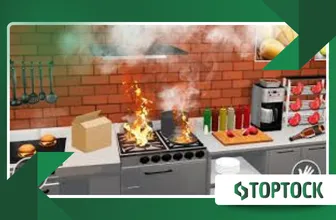
Dominating the line in Cooking Simulator Mobile is less about tapping icons and more about surviving the tactile chaos of a high-pressure kitchen.
Anuncios
While many mobile titles reduce cooking to a rhythmic mini-game, this simulation forces you to confront the stubborn physics of a rolling tomato or the unforgiving sear of a stainless-steel surface.
It is an exercise in digital coordination where the difference between a Michelin-star plate and a kitchen fire lies in the flick of a thumb.
Resumen
- The Physics of Frustration: Why realistic weight matters.
- Operational Flow: Navigating Career versus Sandbox constraints.
- The Gear Grind: Strategic kitchen investments that actually pay off.
- Hardware Demands: Ensuring your device survives the render heat.
- Culinary Intuition: Moving beyond the recipe to find your style.
What defines the Cooking Simulator Mobile experience?
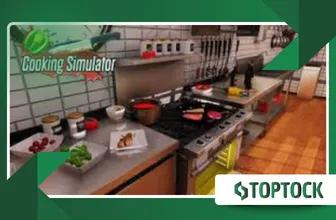
At its core, this isn’t just a port; it is a translation of professional anxiety into a handheld format. The game ditches the static “cooking stations” seen in casual apps for a fully navigable 3D environment.
You aren’t just selecting an ingredient; you are physically grabbing it, weighing it, and hoping your virtual grip doesn’t fail at the worst possible moment.
Anuncios
The transition to touchscreens introduces a layer of intimacy—and occasionally, genuine tension.
When you are manually slicing a potato into precisely 20g pieces, the interface demands a level of focus that feels closer to surgery than gaming.
It’s an ambitious approach to mobile gaming that respects the player’s intelligence rather than just hunting for dopamine hits through colorful animations.
How does the physics engine dictate your success?
In this environment, physics are the ultimate boss. Everything has mass and momentum.
If you’ve ever tried to flip a burger in a pan only to watch it slide across the floor because your angle was slightly off, you understand the “cruel realism” that sets this title apart.
It mimics the physical unpredictability of a real kitchen, where surfaces are slippery and heat is a constant threat.
The engine calculates heat transfer with surprising honesty. A steak doesn’t just turn “done”; it develops a crust based on the duration and intensity of the flame. This forces you to stop thinking like a gamer and start thinking like a line cook.
You learn to listen for the sear and watch the color change, developing a sensory-based intuition that traditional mobile games simply cannot replicate.
Why does it stand apart from arcade-style cooking games?
Most culinary games are essentially reskinned versions of “Whac-A-Mole,” focusing on the speed of clicks rather than the quality of the output.
Cooking Simulator Mobile pivots toward technical execution. It asks you to care about the nuance of a garnish or the exact milliliter of oil in a pan, which feels refreshing in a market saturated with overly simplified loops.
There is a certain editorial honesty in its difficulty. It doesn’t hold your hand; if you ruin a soup by over-salting it, the game lets you fail.
This creates a genuine learning curve where your growth as a player feels earned. You aren’t just leveling up a character; you are refining your own ability to manage a complex, multi-variable system under a ticking clock.
Which upgrades actually transform your workflow?
The progression system can be a trap if you spend recklessly on cosmetic fluff. The real power lies in the technical upgrades.
For instance, investing in a high-end food processor isn’t just about speed—it’s about consistency.
In a kitchen where a human error in chopping can tank a dish’s rating, automation becomes your best friend during the dinner rush.
Efficiency often comes down to the quality of your heat sources. Upgrading your range or oven allows for faster recovery times between dishes, preventing the bottleneck that occurs when multiple tickets hit the window at once.
++ ¡Papa's Freezeria para llevar!: Administra tu propia heladería con pedidos increíbles
It’s a subtle dance of resource management where you must decide if you need a better knife or a more reliable deep fryer to survive the next shift.
Comparing Technical Performance and Stability
High-fidelity physics come at a cost to hardware. Running a simulation this dense requires significant processing power to keep frame rates stable when the kitchen gets crowded with steam, fire, and multiple moving objects.
| Performance Metric | Entry-Level Device | Flagship Mobile/Tablet |
| Physics Stability | Occasional jittering | Fluid and responsive |
| Loading Times | 30-45 seconds | Sub-10 seconds |
| Thermal Throttling | High after 20 mins | Minimal impact |
| Visual Fidelity | Low-poly textures | Dynamic lighting enabled |
To understand how developers manage these complex calculations on mobile chips, looking into Unity’s optimization whitepapers reveals the sheer amount of smoke and mirrors required to keep the simulation running without melting your phone.
What are the most effective strategies for elite service?
The secret to a five-star service is the “pre-shift” mindset. Before the first customer walks in, your station should be an altar of efficiency.
Chop your onions, portion your proteins, and have your spices within reach. In the heat of the moment, searching for a misplaced bottle of olive oil is the fastest way to turn a masterpiece into a disaster.
One often overlooked tactic is the “clean-as-you-go” philosophy. A cluttered counter leads to wrong ingredients being grabbed and increased frustration.
Lea aquí: Highwater: Aventura narrativa post-climática en un mundo ahogado
By taking the two seconds to toss a scrap in the bin or rinse a pot, you maintain the mental clarity needed to juggle three different recipes simultaneously. It is as much a game of psychology as it is of dexterity.
How can you master the touch-based precision?
Mastering the virtual hands takes patience. The “Focus” mode is your primary tool for fine-tuning.
It’s essentially a slow-motion toggle for your movements, allowing you to pour exactly 5ml of balsamic vinegar without the erratic swaying of standard touch controls. It turns a clumsy gesture into a deliberate action.
If you find yourself struggling with the camera, adjust the dead-zone settings in the menu. Many players overlook this, but tailoring the sensitivity to your specific screen size can eliminate the “floating” feeling that often plagues 3D mobile games.
A tighter control scheme translates directly to better plating and, ultimately, higher tips from your virtual patrons.
Reflecting on the Digital Kitchen
At its best, Cooking Simulator Mobile captures that rare “flow state” where the chaos of the kitchen becomes a rhythmic, satisfying blur. It isn’t just about the food; it’s about the mastery of a complex environment.
The game successfully translates the high-stakes atmosphere of professional cooking into a format you can fit in your pocket, without stripping away the soul of the craft.
As we look toward the future of mobile simulation, the benchmark has clearly shifted. We are moving away from simple distractions and toward deep, systems-based experiences that challenge our spatial awareness and patience.
This game remains a testament to the idea that mobile players want more than just a pastime—they want a challenge that feels real.
For those interested in the broader impact of simulation design on player behavior, the Bóveda de GDC offers extensive breakdowns on how these digital systems are constructed to mirror reality.
Preguntas frecuentes
How does the mobile version differ from the PC original?
While the core physics engine remains intact, the mobile version features a redesigned UI and simplified controls to suit smaller screens. Some of the more taxing visual effects have been dialed back, but the fundamental “soul” of the kitchen remains identical.
Can I create my own recipes in the game?
Absolutely. While the game provides structured recipes for your career, the Sandbox mode allows you to ignore the rules entirely. You can combine any ingredients and cooking methods to see how the game’s taste-algorithm reacts to your “original” creations.
Is there a multiplayer component?
Currently, the focus remains on a single-player experience. The challenge is centered on your personal ability to manage the kitchen, though leaderboards allow you to compare your efficiency and dish scores with other chefs globally.
¿El juego requiere una conexión constante a Internet?
No, you can sharpen your skills offline. An internet connection is only necessary for initial downloads, accessing the store, or participating in community events and cloud saving your career progress.
Popular ahora